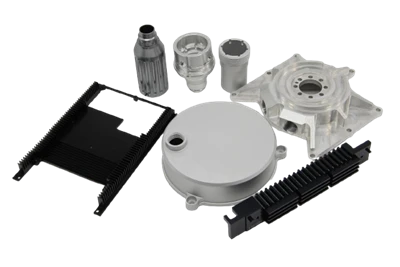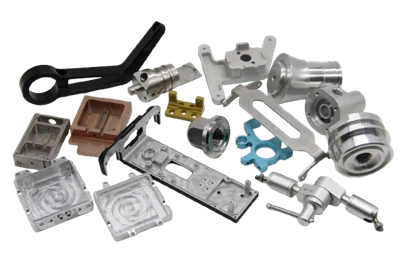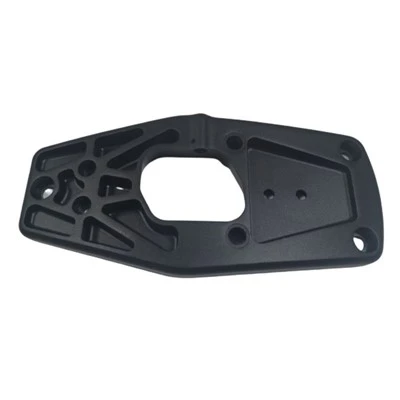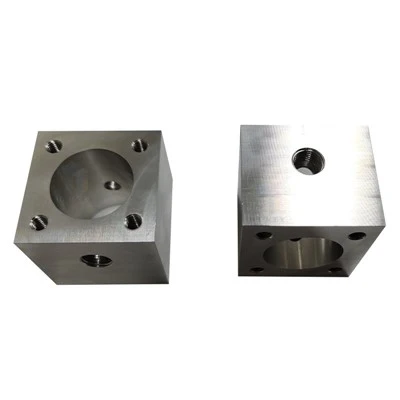

CNC machining refers to machining processes performed using numerically controlled tools. CNC (Computer Numerical Control) machine tools are controlled via programming languages-typically G-code. This language instructs the machine's cutting tools on specific Cartesian coordinates and controls parameters such as feed rate, spindle speed, and auxiliary functions like tool changing and coolant flow. CNC machining offers significant advantages over manual machining; for instance, it produces parts with high precision and repeatability, and it enables the creation of complex geometries that are impossible to achieve manually. CNC technology is now widely adopted, with most machine shops possessing CNC capabilities; the most common methods found in typical shops include CNC milling, CNC turning, and CNC wire-cut EDM (Electrical Discharge Machining).
What are the differences between G-codes G02, G03, G12, and G13 in CNC machining center programming, and how are they used?
Machines used for CNC milling are known as CNC milling machines or CNC machining centers, while those used for CNC turning are called CNC turning centers. Although G-code programs can be written manually, machine shops typically use CAM (Computer-Aided Manufacturing) software to automatically read CAD (Computer-Aided Design) files and generate the G-code required to control the CNC machine tools.