
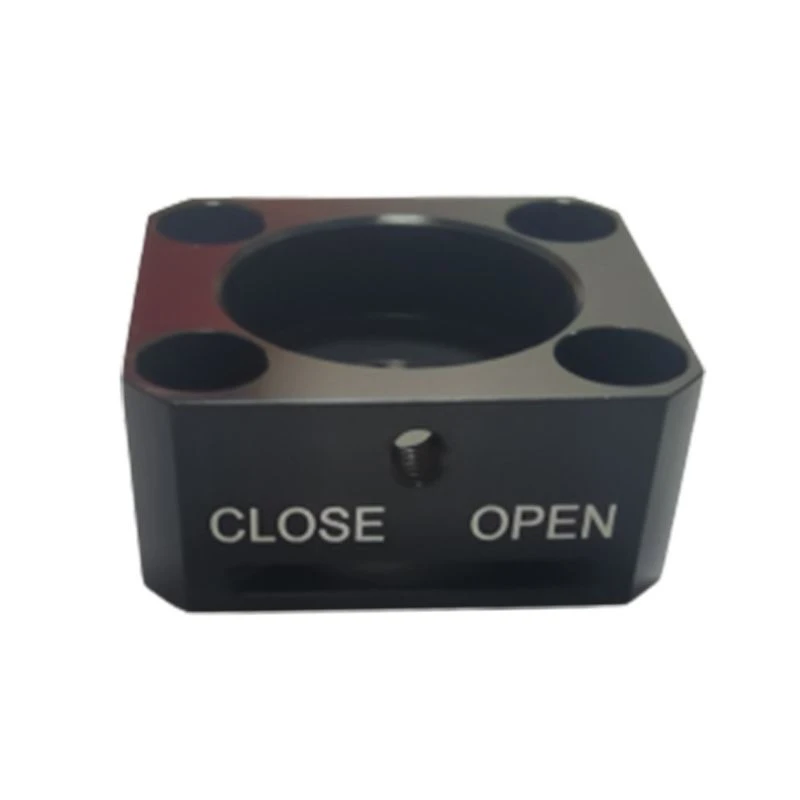
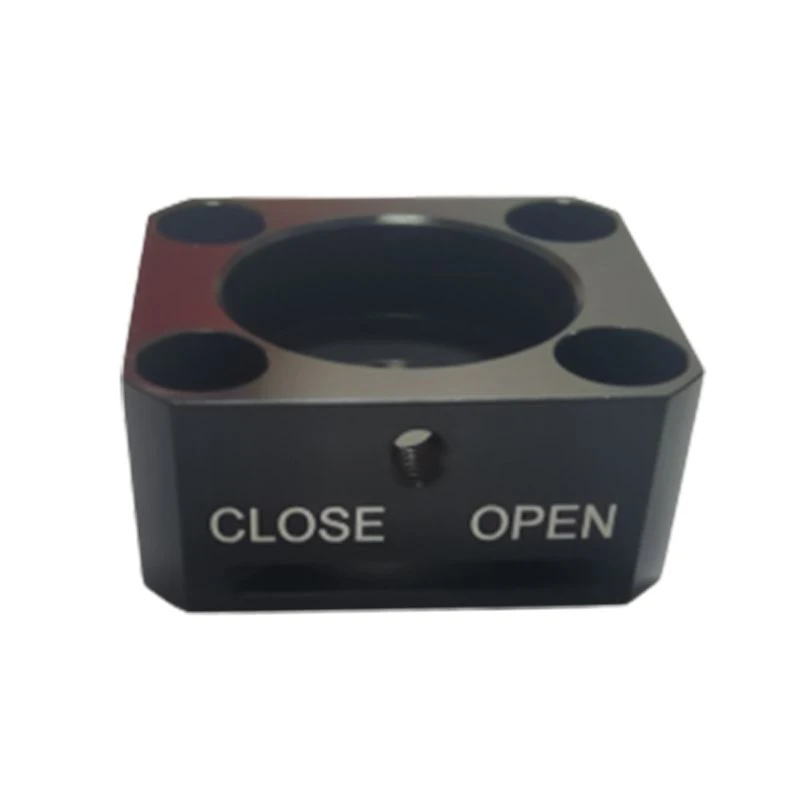
Applications of Aluminum Alloys in CNC Milling
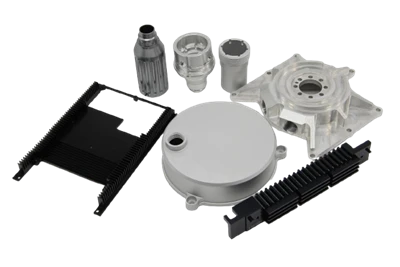
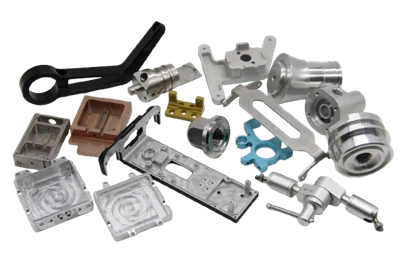
Aluminum alloys are lightweight, high-strength, and offer excellent thermal conductivity; they are easy to machine and provide high processing efficiency, making them the most commonly used material in CNC milling. Their surfaces are easily treated through processes such as anodizing, sandblasting, and brushing, resulting in corrosion resistance and a refined appearance.
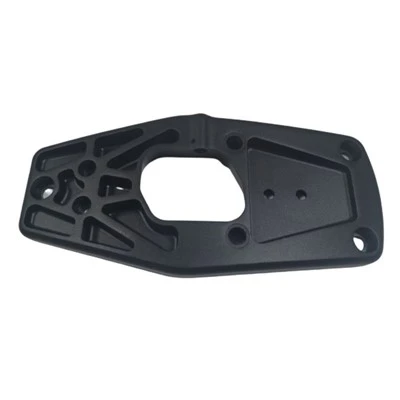
Widely used in aerospace parts, new-energy parts, sensor housings, electronic enclosures, communication casings, medical device components, automation equipment parts, and precision structural parts, making them ideal for precision customization and small-batch, multi-variety orders.
AL6061 Mechanical Properties and CNC Milling Applications
AL6061-T6 is the most widely used aluminum alloy for CNC milling.
♦ Mechanical Properties:
Density: 2.70 g/cm³, Hardness: HB95-110, Tensile strength: 240-260 MPa, good ductility and corrosion resistance.
♦ Machining Advantages:
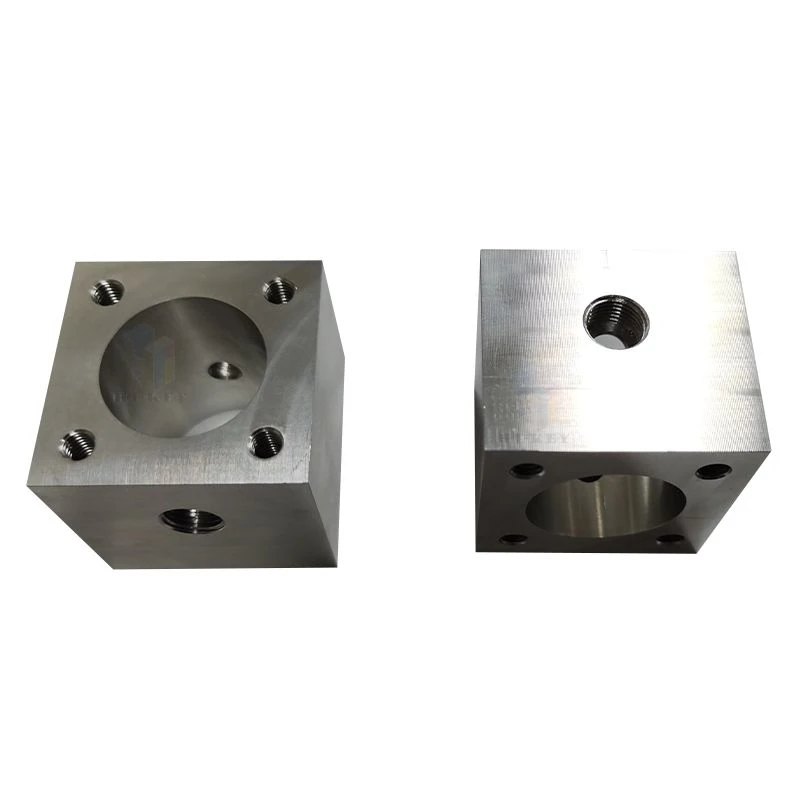
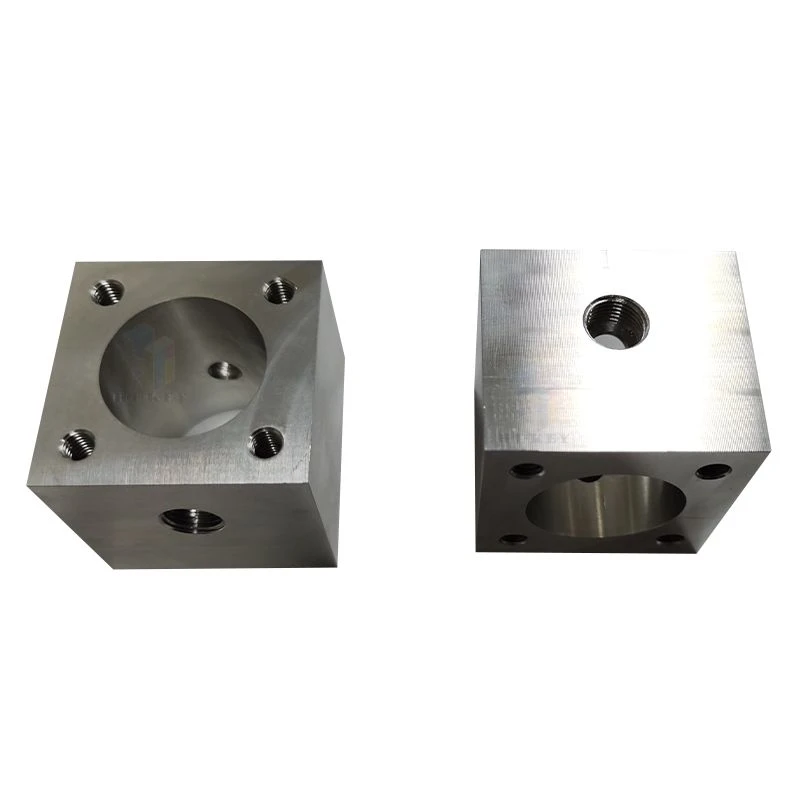
Excellent machinability, smooth chip removal, high processing efficiency, stable precision up to ±0.01mm. Suitable for cavities, housings, thin-wall parts and complex profiles. Compatible with anodizing, sandblasting and brushing.
♦ Applications:
New energy components, sensor housings, electronic cavities, communication shells, automation parts, medical equipment components and custom export precision parts.
Hot Tags: aluminum machining, China aluminum machining manufacturers, suppliers