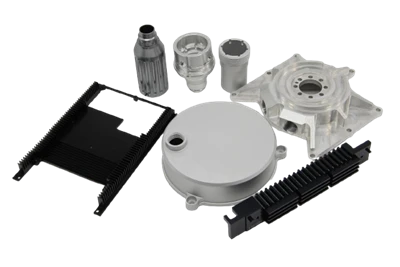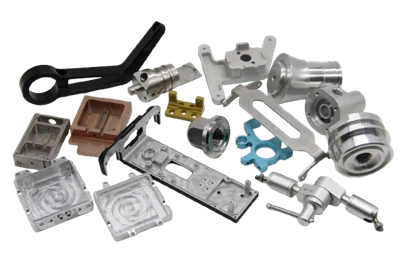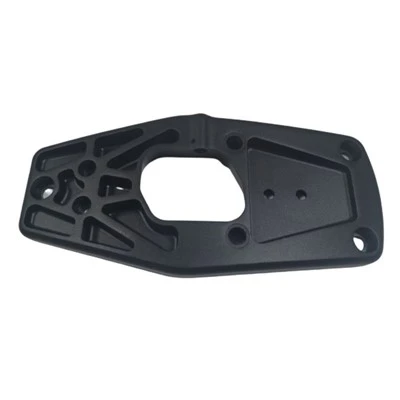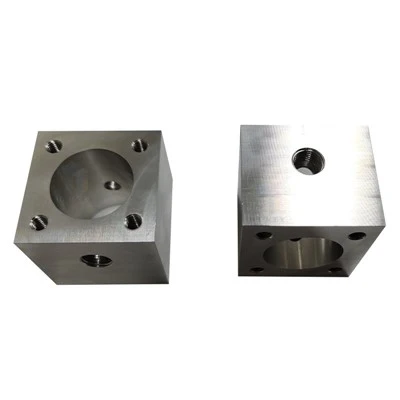

① It significantly reduces the need for tooling; complex fixtures are not required to machine parts with intricate shapes. Modifying a part's shape or dimensions simply requires updating the machining program, making the process ideal for new product development and design modifications.
② It ensures stable machining quality with high precision and repeatability, meeting the rigorous manufacturing requirements of the aerospace industry.
③ It offers high production efficiency for multi-variety, small-batch manufacturing. It reduces time spent on production preparation, machine setup, and in-process inspections, while also shortening actual cutting times through the use of optimal cutting parameters.
④ It enables the machining of complex surfaces that are difficult to produce using conventional methods, including areas that are not directly visible.
The disadvantages of CNC machining include high equipment costs and the requirement for highly skilled maintenance personnel.