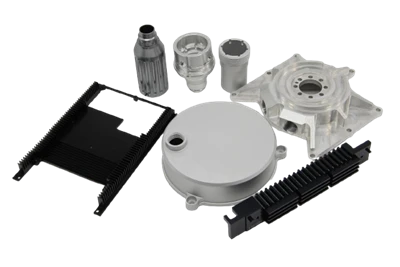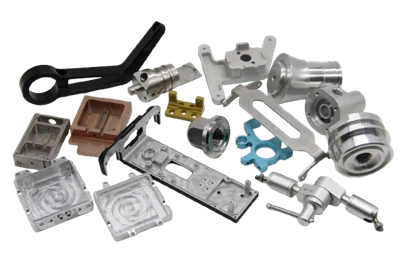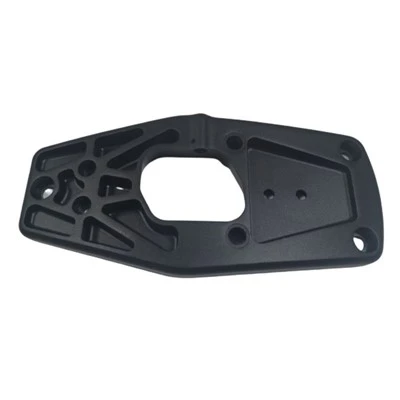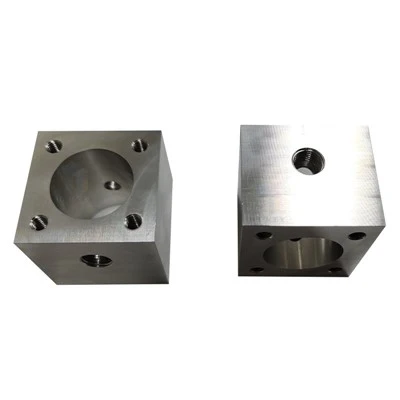

CNC milling is a machining process that removes material using a multi-axis milling machine controlled by a computer. The process involves using a high-speed rotating carbide or diamond-coated milling cutter to cut the workpiece profile along a pre-programmed path under the control of a CNC program. CNC programming encompasses the entire workflow from part drawings to the generation of the machining program, utilizing G-code to control the machine tool and achieve coordinated multi-axis motion.
A CNC milling machine consists of a CNC control unit, a spindle, and a worktable, enabling coordinated motion across 3 to 5 axes via G-code programming. Cutting tools are typically made of carbide or ceramic, with diameters ranging from φ0.5 to 50 mm; when operated at cutting speeds of 120–300 m/min and feed rates of 0.05–0.2 mm/tooth, the process can achieve a surface roughness of Ra 0.8 μm and dimensional accuracy within the IT7–IT8 range [2]. Compared to conventional milling machines, this technology is capable of machining complex features such as planar cavities and spatial curved surfaces, with five-axis CNC systems achieving positioning accuracy of up to ±0.002 mm.