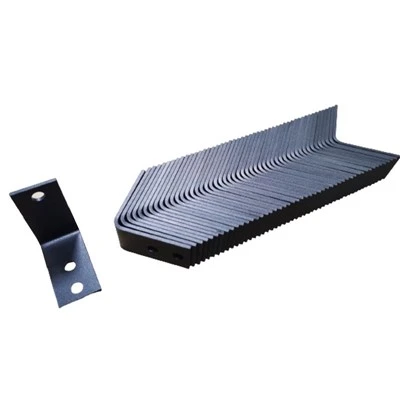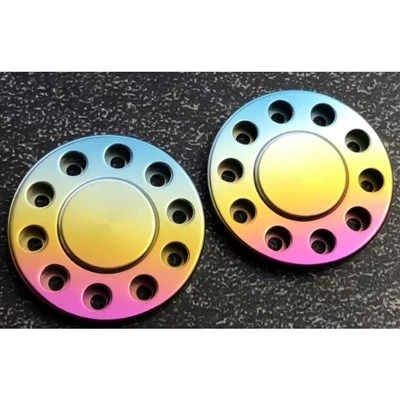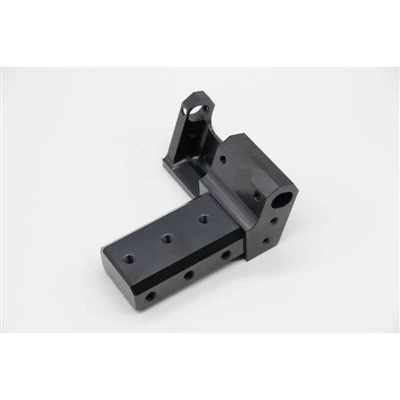


Anodized Aluminum CNC Machined Parts
Anodized aluminum machined components are customized aluminum workpieces processed via CNC turning, milling, 5-axis machining service. We commonly adopt 6061, 6063, 7075 aluminum alloy blanks according to customer drawings, specifications and tolerance requirements. After precision machining, parts go through professional anodizing surface treatment, classified into standard decorative anodizing and hard anodizing two mainstream types with fixed film thickness standards.
Anodizing Film Thickness Standard
1. Regular decorative anodizing
Oxide film thickness is controlled within 5–8 microns. The thin coating delivers neat surface coloring, basic anti-corrosion and scratch-proof performance. It is widely applied for equipment enclosures, sensor shells, heat sinks and cosmetic structural parts. Due to thin film layer, dimensional variation is mild and easy to compensate.
2. Hard anodizing
Hard anodic coating thickness is 25 microns or thicker. This dense thick oxide layer greatly elevates surface hardness, friction resistance and durability against harsh environments, perfectly suited for sliding components, frequently worn parts and outdoor industrial aluminum fittings.
Key Technical Point for Precision Holes
Anodic oxide layer grows both outward and inward toward aluminum substrate, which inevitably reduces aperture size and alters inner dimensional tolerance
For high-precision mounting holes, pin holes and tight-fit holes, we implement two mature solutions to guarantee dimensional accuracy:
1. Mask all precision holes with high-temperature resistant plugs before anodizing, isolating electrolyte and preventing oxide film formation inside hole walls. Original hole tolerance and inner smoothness stay intact after finishing anodization.
2. Conduct secondary fine boring, reaming and precision finishing on critical holes after anodizing, removing inner oxide layer to revise shrunk aperture and restore standard assembly clearance.
Hot Tags: aluminum machined parts anodized, China aluminum machined parts anodized manufacturers, suppliers, Aluminum Machined Parts Anodized, anodizing services, Milled Parts Hard Anodizing, Titanium Color Anodizing