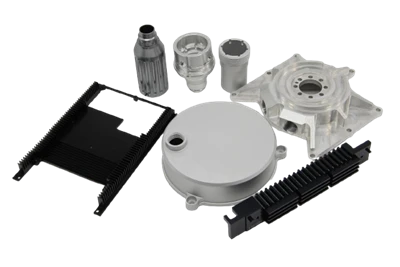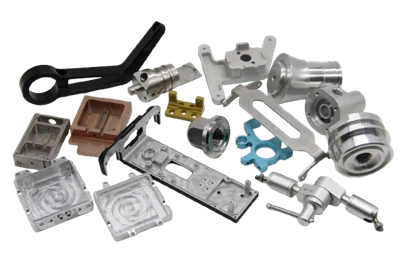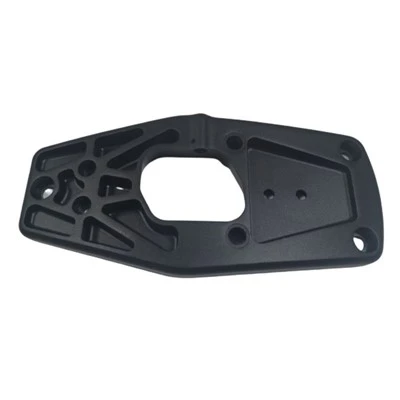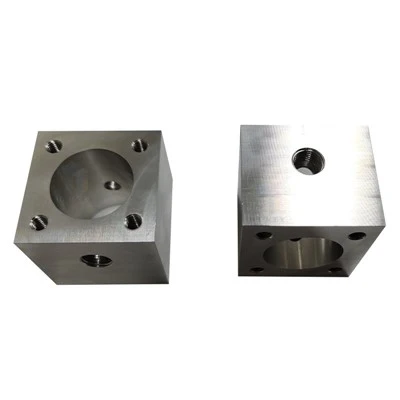

A CNC milling machine is a high-precision, automated machining tool that utilizes a numerical control system to guide a rotating milling cutter against a workpiece, enabling the precision machining of complex parts.
The operation of a CNC milling machine involves several stages: programming, workholding (clamping), tool setting, trial cutting, and batch production. During programming, G-code can be generated using CAM software (such as Mastercam or UG) or created directly via the machine's built-in conversational programming system. Workholding requires selecting an appropriate vise, clamping plate, or specialized fixture based on the workpiece's shape to ensure vibration levels remain below 0.02 mm during machining. Tool setting involves using a dial indicator or laser tool setter to maintain tool positioning accuracy within ±0.01 mm. Notably, when machining soft metals like aluminum alloys, climb milling is recommended to minimize burrs; conversely, when machining hard materials like stainless steel, conventional milling (up-milling) combined with coolant application is required to prevent tool overheating and excessive wear.