

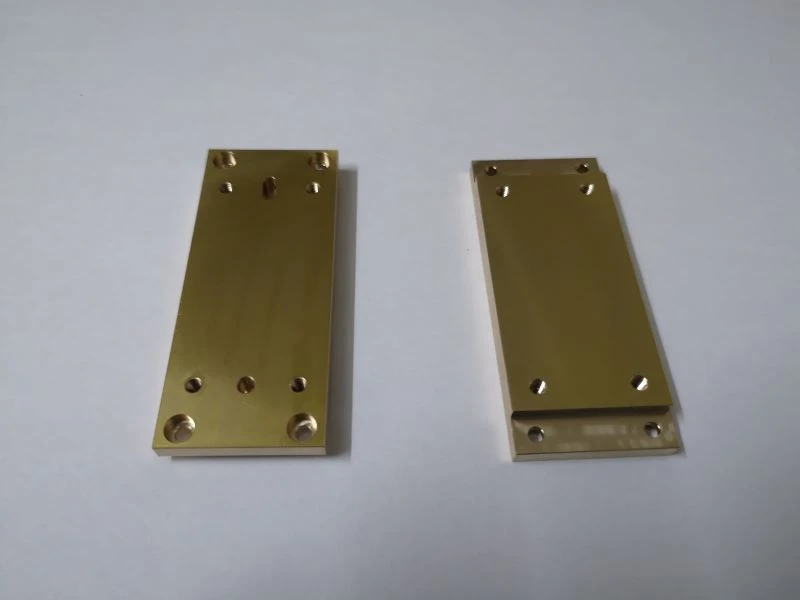
Applications of Brass in CNC Machining
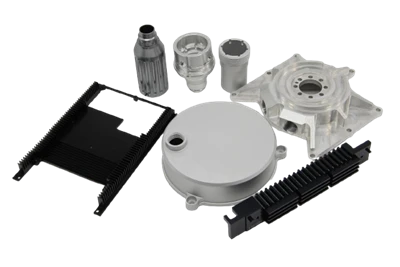
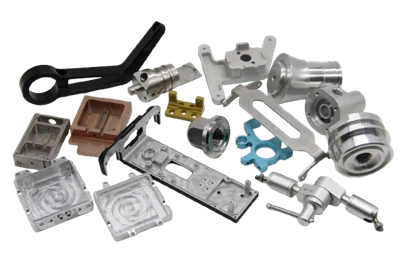
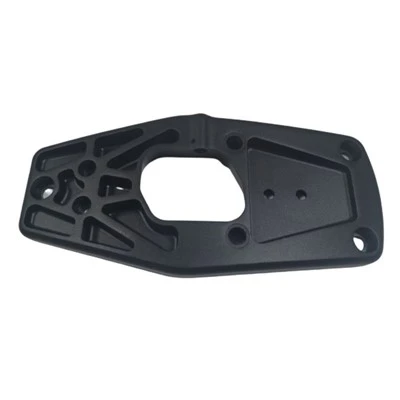
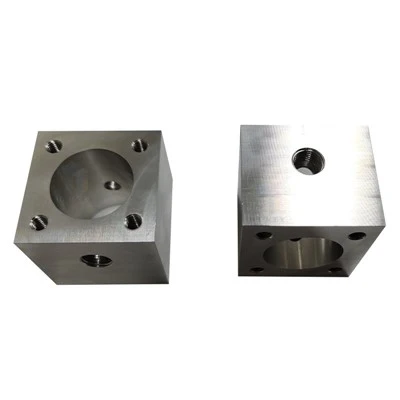
Brass features excellent machinability, with smooth chip removal and a fine surface finish, making it widely used in CNC turning, milling, and drilling operations. This product's properties include good electrical conductivity, corrosion resistance, non-magnetic property, and wear resistance. It is applied to a variety of products, including sensor connectors, valve parts, fasteners, instrument housings, plumbing hardware, precision components, and medical and electronic fittings. It is used in the production of overseas custom orders.
Common Brass Grades and Parameter for CNC Machining
|
Common Grade |
International grade |
Composition |
Features |
Application |
|
HPb59-1 |
C36000 |
Cu:57–60% Pb:0.8–1.9% Zn: balance |
Excellent machinability, smooth chip removal, stable precision |
Mass production, thread parts, valves, fasteners, complex parts |
|
H62 |
C2720 |
Cu:60.5–63.5% Zn: balance |
Balanced strength and ductility, good corrosion resistance |
General precision hardware, instrument parts, standard components |
|
H65 |
C2680 |
Cu:63.5-68% Zn: balance |
Superior plasticity, perfect surface finish, burr-free |
High-precision parts, appearance parts, thin-wall components |
|
H59 |
C2800 |
Cu:57%-60% Zn: balance |
High hardness, cost-effective |
Ordinary hardware, non-precision parts, budget orders |
General Physical Parameters
|
Item |
Parameter |
|
Density |
8.4–8.7 g/cm³ |
|
Hardness |
HB 70–100 |
|
Tensile Strength |
330–390 MPa |
|
Melting Point |
900–940℃ |
|
Machinability |
HPb59-1 > H62 > H65 > H59 |
Hot Tags: brass CNC machining, China brass CNC machining manufacturers, suppliers